When Hearing Aids Aren't Enough:
Exploring Advanced Solutions


Are you a Good Candidate for Cochlear Implants or Osseointegrated Devices?
We understand the profound impact that communication has on your daily life. Whether you’re personally navigating hearing loss or communicating with someone experiencing it, we’re here to guide you through effective strategies to enhance understanding and connection.
The evaluation process, conducted by Dr. Bohn, is crucial in determining whether an individual qualifies for this advanced hearing solution or other solutions that may be appropriate at that time. Overall health and medical history play a significant role in this assessment, with ideal candidates being those in good health.
Cochlear Implant Evaluation Process
The Cochlear implant evaluation process is a comprehensive and personalized process designed to help you find the perfect hearing solution. Together we’ll go through each step, assessing if a cochlear implant might be right for you.
- Preliminary Consultation: It all starts with a preliminary consultation where we’ll gather information about your medical history, hearing history, and lifestyle. This initial discussion helps us find out more about your needs.
- Comprehensive Hearing Tests: Next, a more in-depth hearing test is performed to assess the extent of your hearing loss with and without your hearing aids. These tests provide important insights into your unique hearing profile.
- Imaging Screening: In some cases, imaging such as CT scans may be recommended to examine the internal structure of the ear and assess your candidacy for cochlear implant surgery.
- Candidacy Determination: Based on the results of the evaluation, we’ll determine whether you are a suitable candidate for a cochlear implant. Factors such as the severity of hearing loss, speech recognition abilities, and overall health are all considered.
Other Considerations
- Surgery: Cochlear implantation involves a surgical procedure, and you’ll need to consider the associated risks and recovery.
- Adjustment Period: Because of the crucial role the brain plays in hearing, there is an adjustment period post-surgery, during which you’ll adapt to the new way of hearing.
The Benefits of Cochlear Implants
- Improved Speech Recognition: Cochlear implants can significantly enhance speech recognition, especially in noisy environments.
- Expanded Hearing Range: Experience a broader range of sounds and frequencies for a more comprehensive auditory experience.
- Enhanced Quality of Life: Regain the ability to engage in conversations, enjoy music, and connect with your surroundings.
Post-Evaluation Process: What Comes Next?
After a cochlear implant evaluation, the next steps involve discussing the findings with your audiologist. If we think you’re a suitable candidate for a cochlear implant, here’s what comes next:
- Physician Consultation: For eligible candidates, the first step is consulting with a surgeon who specializes in cochlear implantation to review all of your information and review the preparation for surgery.
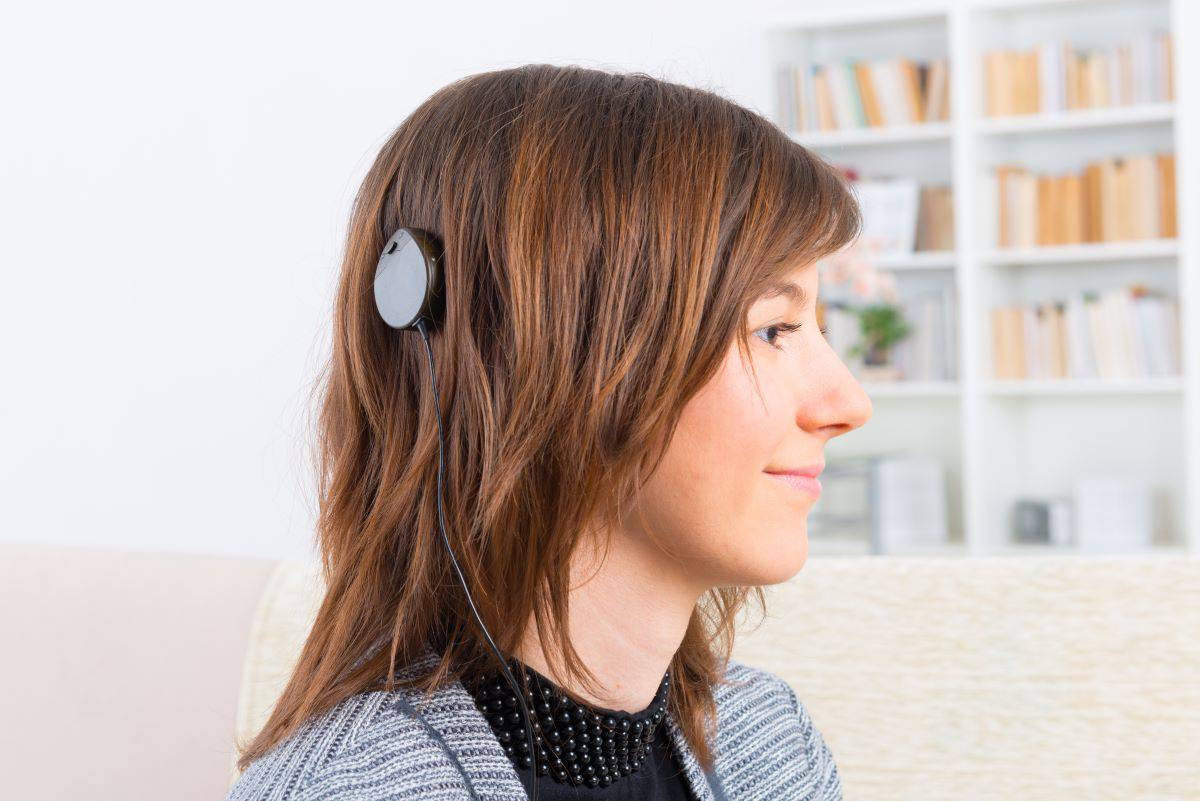
- Cochlear Implant Surgery: the next step is the cochlear implant surgery, when the device is implanted under the skin behind the ear.
- Activation and Programming: Following a recovery period, the device is activated, and you’ll have personalized programming sessions to fine-tune the implant to your specific needs.
Rehabilitation and Follow-Up: Post-implantation, you’ll have rehabilitation sessions to help you adjust to the new auditory experience. Regular follow-up appointments are scheduled to monitor progress and make any necessary adjustments.
Osseointegrated Evaluation Process
If you are looking for other options beyond hearing aids for conductive or mixed hearing loss, you can consider osseointegrated implants.
- Assessment and Candidacy Determination: Similar to cochlear implants, the process begins with a more in-depth and thorough assessment to determine candidacy. Factors such as bone health and anatomy are considered.
- Osseointegrated Device Simulation: Candidates may experience a simulation of osseointegrated hearing to understand how the device will work, and find out more about the benefits before proceeding with the surgery.
- Surgical Consultation: For eligible candidates, we’ll schedule a surgical consultation to discuss the implantation procedure and address any concerns or questions.
Other Considerations
- Surgery: Osseointegration involves a surgical procedure, and you’ll need to consider the associated risks and recovery.
- Adjustment Period: There is an adaptation period after surgery and you’ll need to be prepared for recovery time as you adjust to the new style device.
The Benefits of Osseointegrated Devices
- Improved Sound Transmission: Osseointegrated devices transmit sound directly to the inner ear, providing a clearer and more natural auditory experience.
- Stability and Comfort: The device is surgically anchored to the bone, offering stability and comfort without the need for in-the-ear or over-the-ear devices.
Post-Evaluation Process for Osseointegrated Devices
Following an evaluation and determination of candidacy, here’s what you can expect:
- Physician Consultation: For eligible candidates, the first step is consulting with a surgeon who specializes in osseointegrated devices to review all of your information and review the preparation for surgery.
- Surgical Implantation: For eligible candidates, you’ll schedule the surgery with the surgical team.
- Activation and Adjustment: After a healing period, the device is activated, and we’ll have several adjustment sessions to optimize its performance according to your individual needs.
Ongoing Support and Follow-Up Care: Rehabilitation and ongoing support sessions are provided to help you adapt to the new hearing solution. Regular follow-up appointments ensure you’re happy with your devices.
Your Journey to Clearer Hearing Starts Here
At Personal Hearing Care, we believe in empowering individuals with comprehensive and advanced hearing solutions. If you or a loved one is experiencing challenges beyond the scope of traditional hearing aids, our team is here to guide you through the evaluation processes for cochlear implants or osseointegrated devices.
Contact us today to schedule a consultation and take the first step towards a life of improved hearing and enhanced quality of life.